
Baby, you can ♪ drive my ♫ car, yes, ♪ I’m gonna ♫ be a star….
I told you, I was going to be a star, a shooting star! Listen closely. You’ll like this story. Oh, yes, The Beatles, in a way, were totally right. Ladies, or guys, partners, or significant others, tend to appreciate that you, their guy, or their gal, drive a nice car, or at least a decent car. Heck, yes. You didn’t quite grab the idea, as a kid, of having a decent car, for all utilitarian purposes, and yes, also, for all social purposes. We grew up, we became adults ourselves, now fathers, mothers, uncles, aunts, grandmas, grandpas, grandmas, and we got it. Now we understand. Yes, mad’m, I understand.
Actually, these days, in my late 40’s, I understand it much better. Oh, yes, sir, yes mad’m. As a car salesman, I now look at car ownership as a different life experience than when I was a child. I also quietly observe–though I don’t say a thing–people’s behavior around cars, particularly when they are looking to purchase one. Oh, man, it’s incredible. Like they always said, “the Lady of the house holds the key.” Yep, you pay for all of it, or most of it, or some of it, but she holds the key, not talking about the ownership of the car or the house, but the sale. If the lady doesn’t like the car, you ain’t buyin’ no car, dude. As clear as water. So, shut up, get with the program, listen to the lady (who, may I remind you, holds the key), and start cooperating. That is, if you want to be happy.
I know I may sound a bit chauvinistic. My lady will not necessarily like these words, but she admits this is the plain truth, ugly and crude as it may sound. So, if you did not understand me well in this explanation, I offer my apologies. I’m sure the guy in the house understood me so, sooooo well.
..
Goodbye, American-ruled Capitalism. Welcome, Soviet neocolonialism
In any case, when I was a child, there were great cars I remember. There are those strange-looking Studebakers. Oh, boy, strange things, indeed. But didn’t they make history. Then we had those old American cars. If you don’t know Cuba, then you may be missing the best visit to an open-air old cars museum. Yes, there are a bunch of old, less-well-maintained cars, but there are thousands upon thousands of very well-kept automobile jewels from the 1930’s, 1940’s, and 1950’s.
..
-
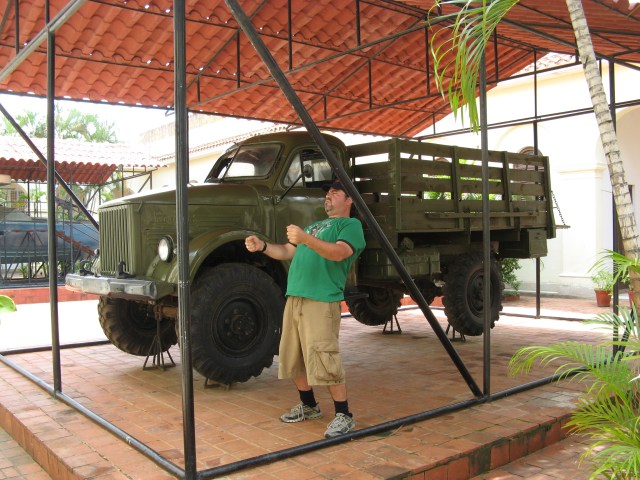
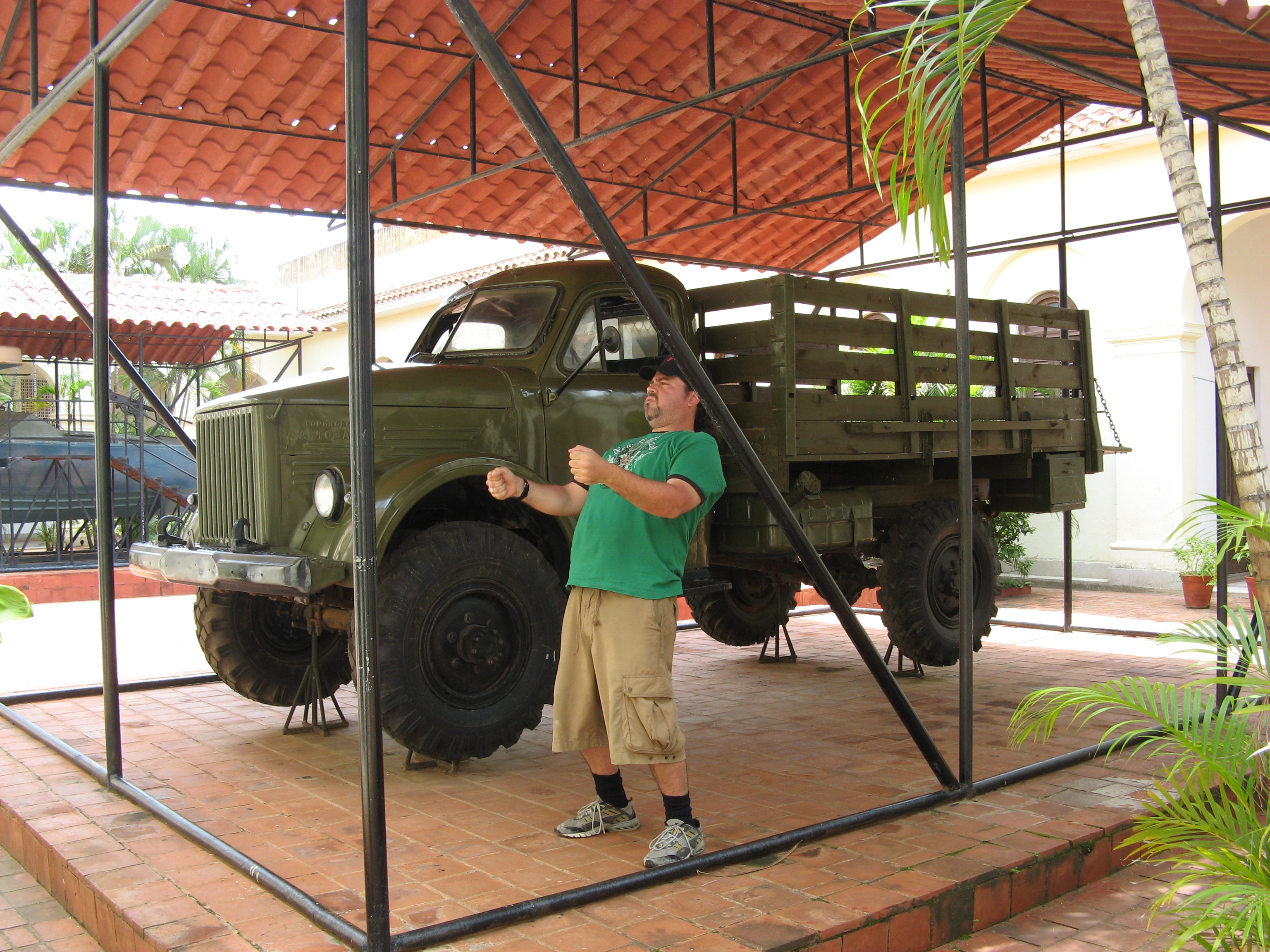
Here I am, mock-driving a Russian Gaz 51 in Trinidad, Cuba. The Gaz (models 51, 63, 66), was a mid-size, general utility truck, used extensively as troop transporter and in military missions, as well as in multipurpose civilian work (agriculture, industrial, passenger transport, etc.), all over Cuba. This one had no engine in it, and was stationed at a government-sponsored history museum in Trinidad, the beautiful colonial city, capital of Sancti Spiritus province, where the Escambray Mountain Range is located, and where hundreds of these Russian trucks still thrive.
..
In the 1960’s, in 1959, to be exact, the Cuban Revolution triumphed, so Socialism came in, and diplomatic relations were cut off between Cuba and the United States. So no more American cars came to the island. From that moment on, only Russian vehicles, mostly Lada 1500/1600; Moscovich; Volga; Zhiguly; Chaika; Gaz 51 / 63 / 66; Gaz 69 offroad 4×4 small truck; Zil 133 / 157 / 130 / 131; Tatra 815; KP3 trucks, and other brands of light vehicles and heavy trucks and equipment. Not too bad either, ugly cars, but sturdy and durable too. Oh, man, those Ladas 1600, they were like light infantry tanks.
Of course, as a child you wouldn’t quite care about which vehicles you were riding on. Not even the public bus. Although, I must say, that at the beginning of the Revolution, there were only American buses running in the island, American, and European. In fact, for so many years, Cuba had purchased Leyland buses from Britain, and well, at one point, since those buses had proven efficient to the general operation of the public transport system in most Cuban cities, and Leyland at one point, was going to retire the brand and move on to another type of bus, with modern technology, Cuba then offered to purchase the plant, and build those buses in Cuba, instead of in England.
..

-
Leyland buses lined up on Avenida San Lázaro and La Colina de la Universidad, Havana, Cuba

..
Well, due to political discrepancies, and what later became the Economic Embargo against Cuba, things went from bad to worse, and the United States, as a strategic move to avoid the new Communist Revolution from purchasing an iconic automotive brand, whether good or bad, from England, and as a apparent strategy to suffocate the Revolution in its beginning, the U.S. decided to purchase the Leyland brand, and factory, in England, at a loss, to definitively retire the brand, and in the process, prevent Cuba from also getting spare parts for the thousands of buses and transport vehicles it had purchased from Leyland for years. I tell you, the power of geopolitics.
During that decade, Cuba received the influx of all types of Russian vehicles, and in a way, stayed completely isolated from the development of new designs and the advanced engineering occurring in the West, namely, the U.S., U.K., France, Italy, Germany, specifically in the development of great automotive designs and breakthrough aerospace technology.
Now, before you continue reading, I ask you to close your eyes. Think for a moment, the days when you were a child. What did you like? I liked languages, movies, poetry, music, cars, airplanes, Russian language, English language, French language, the Persian empire, the Roman Empire, the Greek Mythology, Alexander the Great, pyramids, wars, invasions, ancient armies, the Normand Conquest of 1066, Asterix and Obelix, Don Quijote de la Mancha, yeah, all that, lots of books and museum visits, and listening to my parents and their engineer and literate friends and colleagues speak in other languages.
I was just a kid having fun, I tell you, a bunch of things. But cars, yes, that was my thing. Cars, now we’re talking. I mean, that’s what made me really happy, maybe to be surpassed only by my great love for balloons, kites, bombers, fighter jets, rockets, and commercial aircraft.
..
And then, machines started flying
OK, let’s come down. We’re not going to talk about airplanes here. Just cars. Now, close your eyes, and think of 30 – 40 years ago, maybe more, or less, depending on your age. What do you see back in your childhood? Well, here’s what I saw. I saw cars and airplanes. Go figure. Cars and airplanes!
It was the 1950’s, and big time invention started to make it to the regular life of people, to the common world of consumer goods, of all things “normal,” so to speak. Electric ironing boards, televisions sets, ultra high-frequency radio receptor, long-playing record machines, family cars, advance transportation solutions for the big cities, with must faster train cars and mass transport solutions. And then, race cars that made us jump off our couch and scream. Well, let’s say, excited.
This was a decade of invention, because the world had seen a horrible war, and wanted Peace. And in Peace, all those inventions that worked for the war machine or contries, or alliances, would not be available to benefit mankind. Good ideas! Better results!
..
-
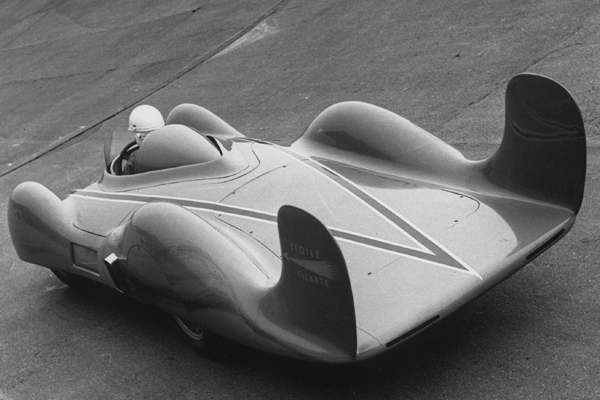
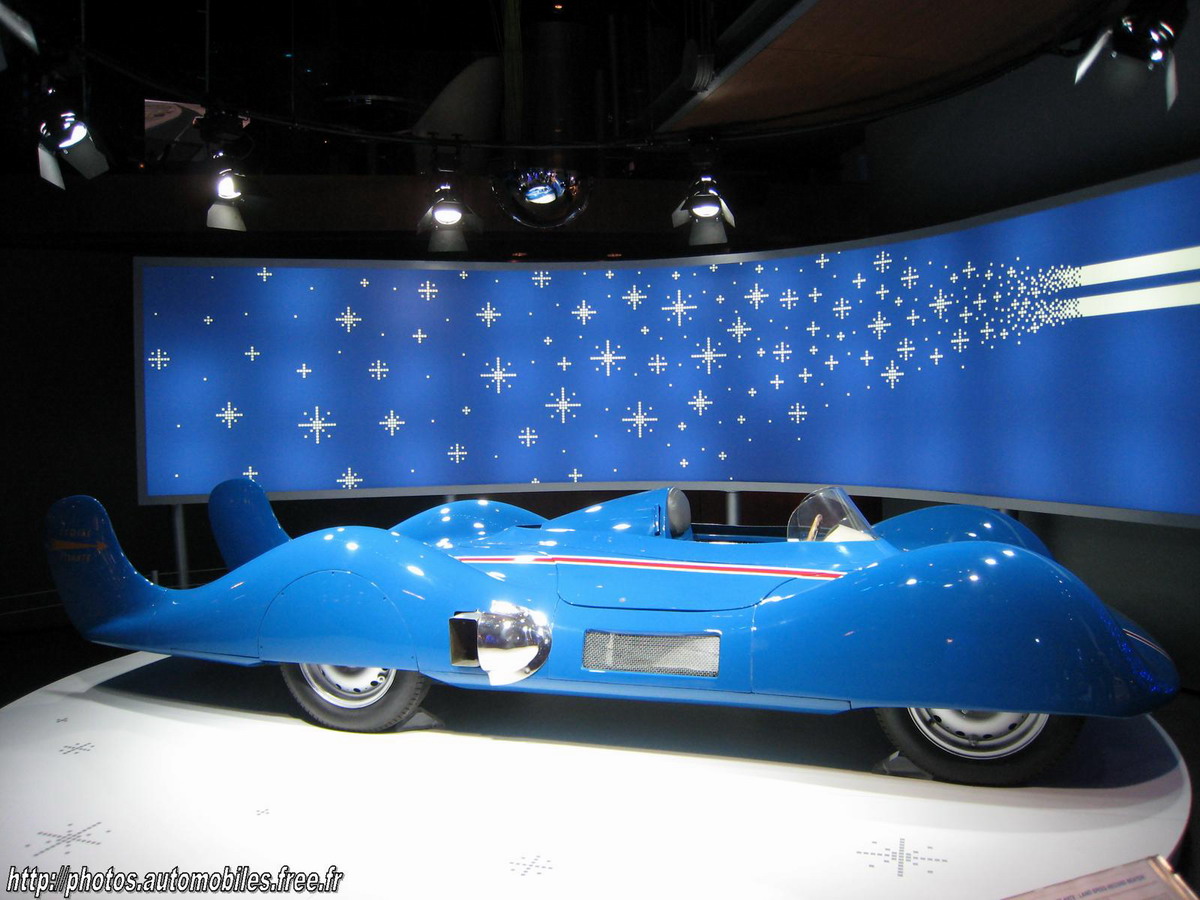
 The flamboyant and futuristic Etoile Filante by French car manufacturer Renault (Shooting Star, or what I called in my youth, el Pájaro Azul, or Blue Bird), in the Bonneville Salt Flats, Utah, where it broke the record of speed by a car, in 1954.

..
Precisely, one of those ideas was to develop cars that would accelerate to limits never thought of, like, say, over 300 km/h. What? That was crazy. Sure, yes, it was very crazy! But the technology was there. They only needed to find the crazier guys to build the fast car, and the craziest guy, to drive it. And they found them, both.
Now, behold the Magic! This is a child’s fantasy, to dream you can drive el Monstruo Verde (Green Monster), or drive el Pájaro Azul (Blue Bird). This Pájaro Azul turned out to be, in fact, a French race car concept that revolutionized the world of automobile racing, and pushed the limits of mechanical engineering and automobile design, by fitting a futuristic race car chassis with a gas turbine as its engine. Boy, that thing flew! And they broke a world speed record in 1954. It was called the Etoile Filante (Shooting Star, Estrella Voladora, en francés), and to this day, it continues to be applauded as one major game changer in automobile history.
..

-
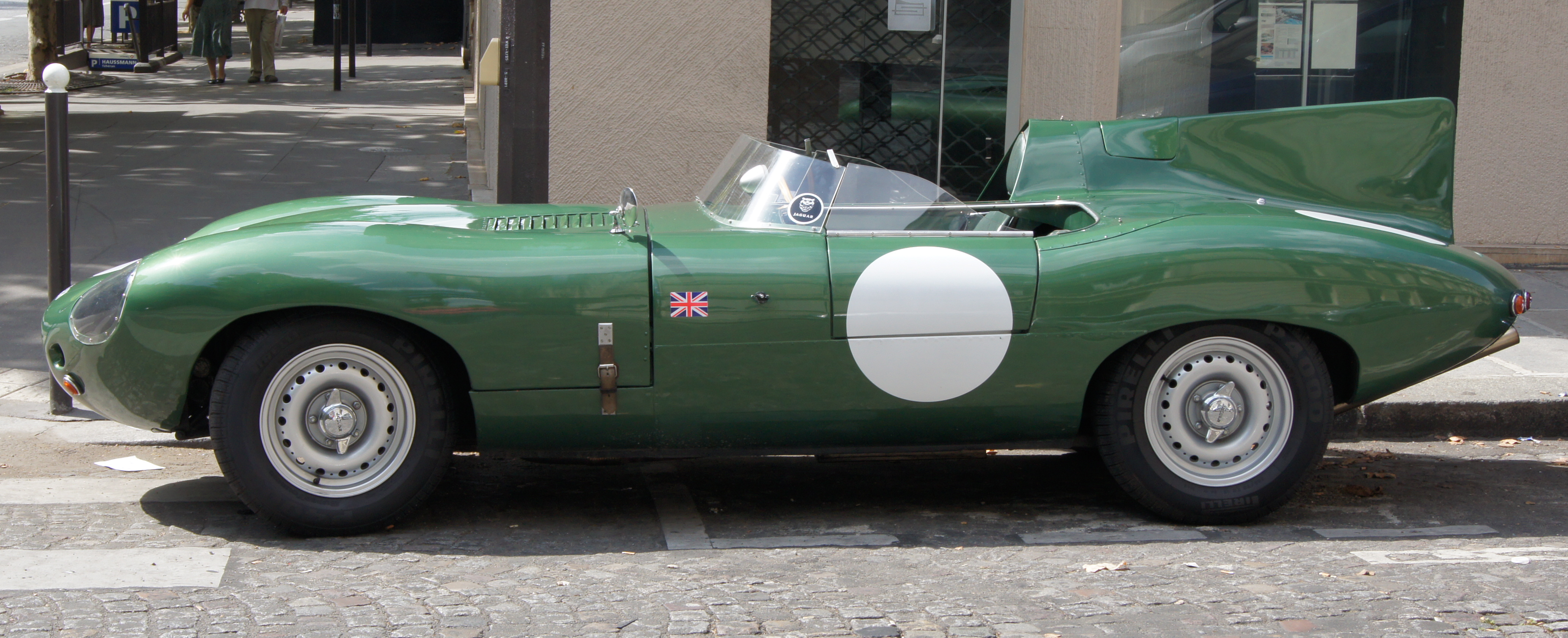
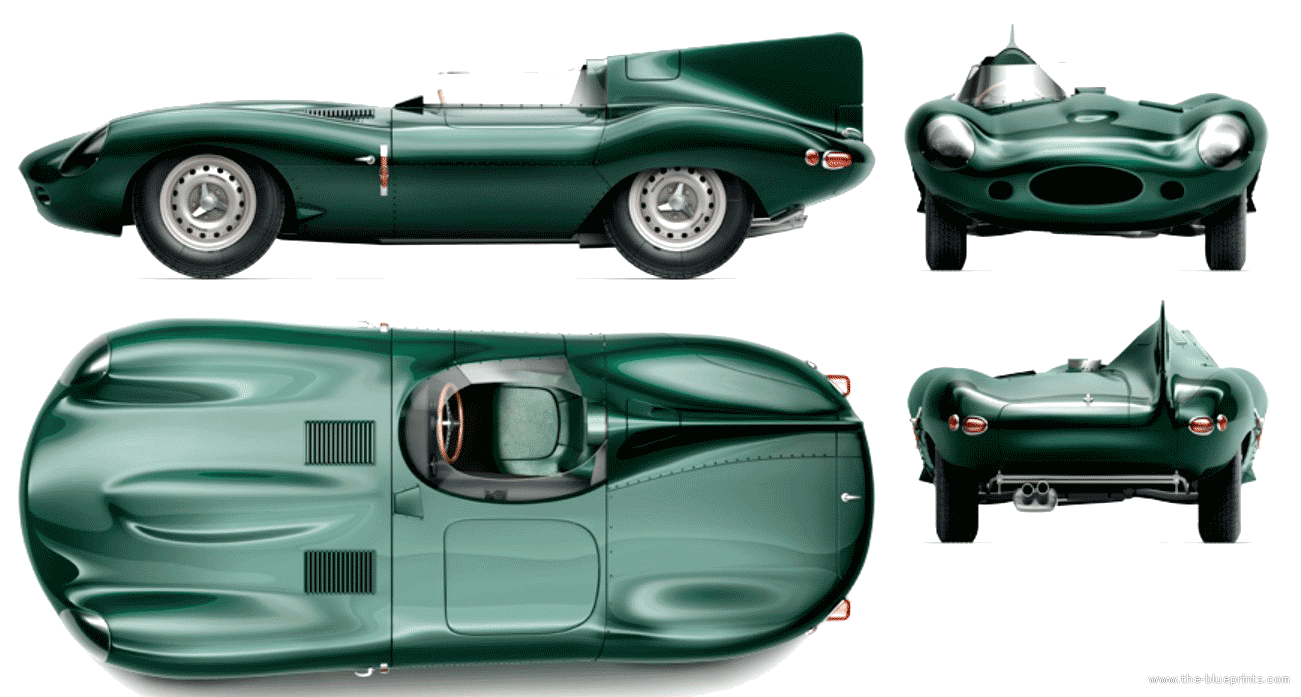
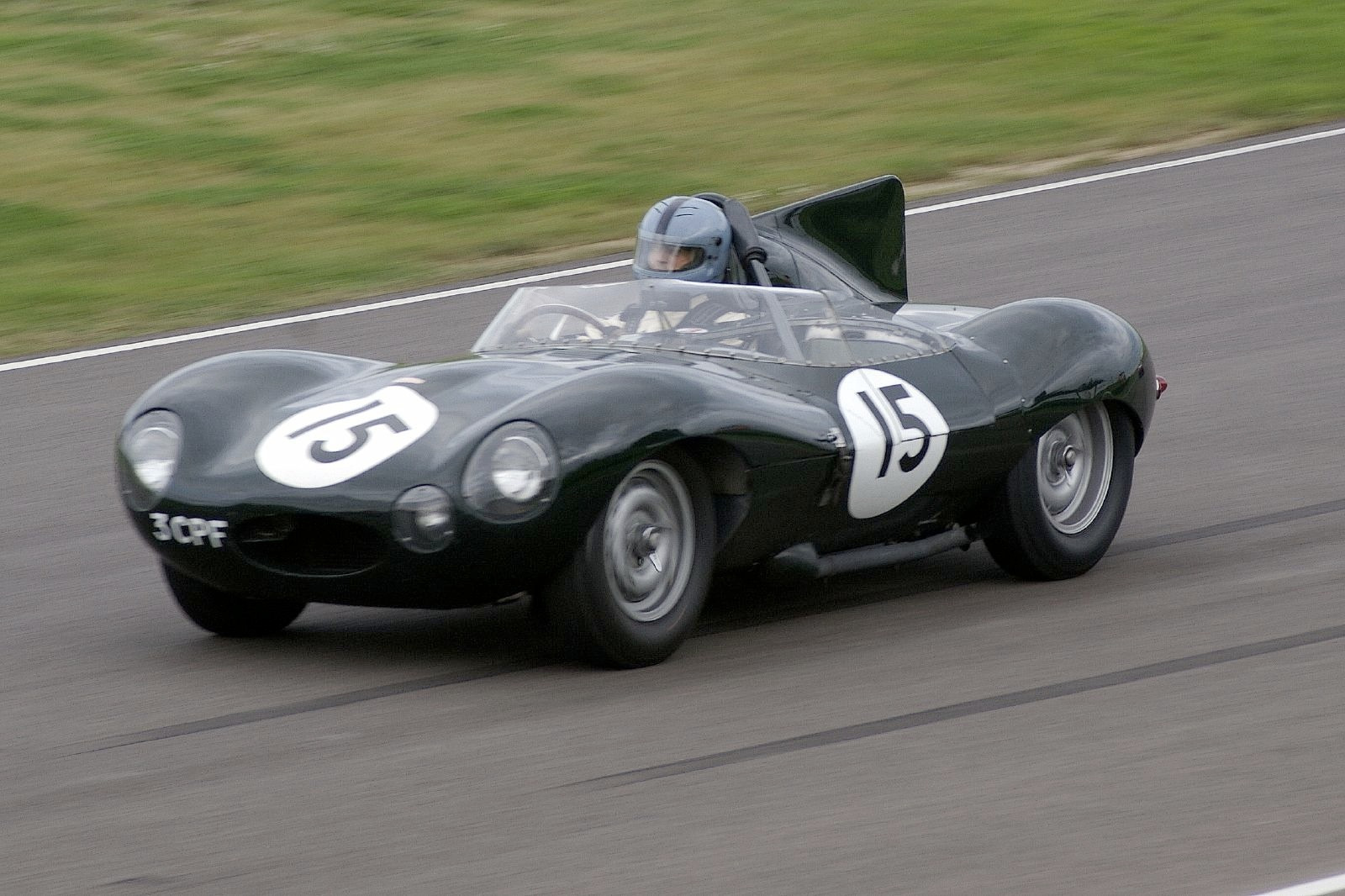
The original fast and furious Monstruo Verde (Green Monster), well, that was the name we, as kids, gave the 1956 Jaguar D type, a race car that kicked ass left and right, way back when…
..
Of course, these were photographs in old magazines or encyclopedias that I got to hold on to, as my secret aircraft pilot archives (are you getting into this children adventure movie with me yet?), and clearly, the 1950’s designs that I was enjoying in the 1970’s, as a child, were already 10 – 20 years old. But since the Cuban Revolution had broken ties with the US, there simply was no commerce. And then, all you could expect to see was what the Russians were doing, which, in all honesty, was by no means some little feat, if you judge their great scientific advancement in many fields, but specifically, in this case, in the areas of civil aviation, aeronautics, and space exploration.
..
The Age of Flying
Then came Fantomas, or like they pronounce it in French, Fantomás. I must have seen that movie 500 times. God, what a great adventure movie! Now, this is simple set of instructions: switch upper knob to the right, that’ll spread the wings out. Then, move lower knob to the right, that’ll expand wing stabilizer tail. Finally, push down vertical knob, and that’ll make us lift off. Wow, LIFT OFF!
Oh, man, that was just the top. That little 1972 Citroen DS 19 Pallas (executive) sedan driven by Fantomas, and being chased by Louis de Funnes and Jean Marais, I mean, that little nasty flying machine, with wings and firecracker exhaust and all, flying over the mountains. Unsurpassed!
..
..
..

-
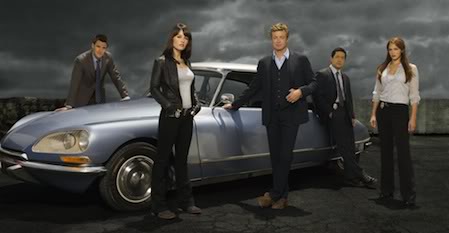
The cast of “The Mentalist” at a promotional photo session, in Sacramento, California, standing by Patrick Jane’s 1972 Citroën DS 20 Pallas sedan.
Fly higher
And before we start flying again, let me just squeeze in another favorite of late, the gorgeous little French car (character) Patrick Jane drives in the TV show “The Mentalist.” It is a vintage 1972 Citroën DS 20 Pallas, that I honestly wished I could take for a drive a day or two. I’m not sure you would find a lot of spare parts around, or find them at a low price. But then again, when you look at one of these oldies, and retain it as a collectible item, generally speaking, a thousand here or a thousand there in spare parts, probably won’t hurt you much. What a lovely car!
..
The Magic Wand in my hands
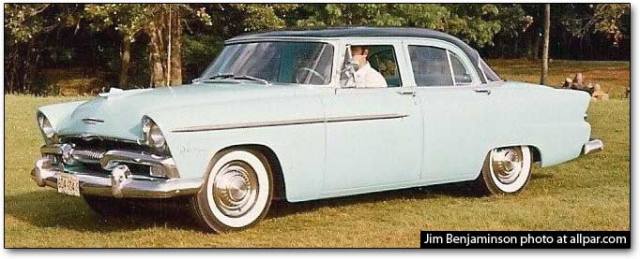
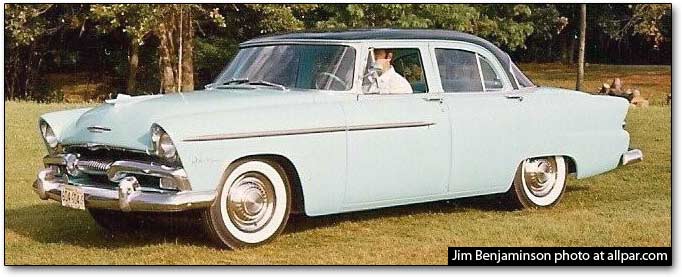
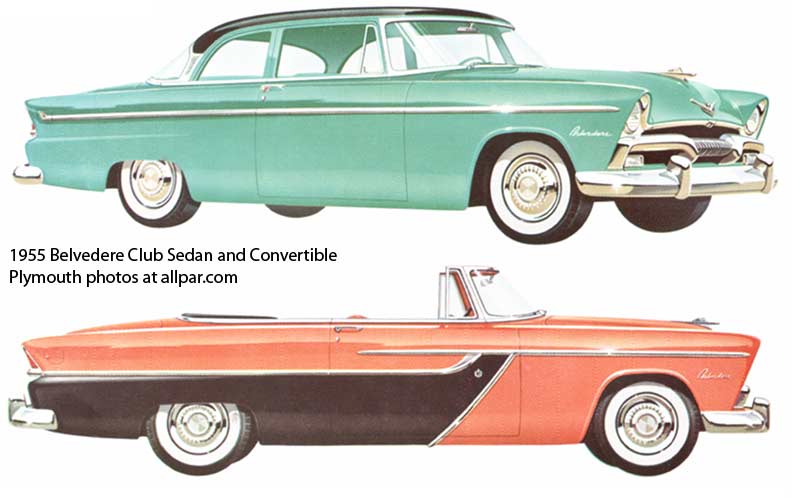
Well, only my father’s 1955 Plymouth Belvedere could fly higher over Almendares River, when he warned us, all 4 kids and my mom, to tighten the seat belts (actually no seat belts, it was all imaginary), because we were going to lift off above the Puente de Hierro (Iron Bridge), in Calle 11 y 16, Vedado, in order to cross the river. Of course, it was all dark, we couldn’t see any wings that the Plymouth displayed, and see the car flying. But my father was the best pilot of the family “aircraft” and my mother was the best co-pilot ever, playing along, and sure, we were kids, and we believed it.
..
-
The most beautiful machine ever built, the 1955 Plymouth Belvedere. I would love to drive this baby again. Of course, it’s got great sentimental value, since I learned how to drive in my father’s car, a magnificent machine, just like this car, but in blue exterior color. The gear-shifting knob was integrated in the column of the driving wheel. It was difficult for a child to reach and push the clutch pedal, and slowly release it while pushing the gas pedal, but looking back now, it was all a lot of fun and excitement!
..

..
To this day, the tradition of story-telling in the car has continued, because when we have taken long trips to Trinidad de Cuba, or Varadero, or Pinar del Río, or Camagüey, or Santiago de Cuba, with my family there, or also long road trips with my family in Florida, to Key West, or Orlando, or St. Augustine, or Tampa-St. Petersburg, then we enjoy ourselves remembering stories of beautiful times past, and re-creating memories with our children, on new roads, or on the same old towns and roads, but with new flavors of life as an adult.
I hope you have learned a bit about cars from other markets. I never thought enjoying those old American cars, and later, all Russian cars and trucks brought to Cuba in the 1960’s onward, would help me so much in this Life, later, when I now sell automobiles. But most of all, the memories of driving my father’s Plymouth, or later, the old 1960 Mercury (a machine made for war, like a tank!), and the 1974 Volkswagen, and the 1968 Toyota FJ 4×4, and the 1970s and 80’s Lada sedans, several of them, and Moskovich cars, a couple of them too, are simply the fantasy of a child, at 12, couldn’t quite reach the clutch pedal, when he started learning to drive. Oh, what a fantastic memory!
..
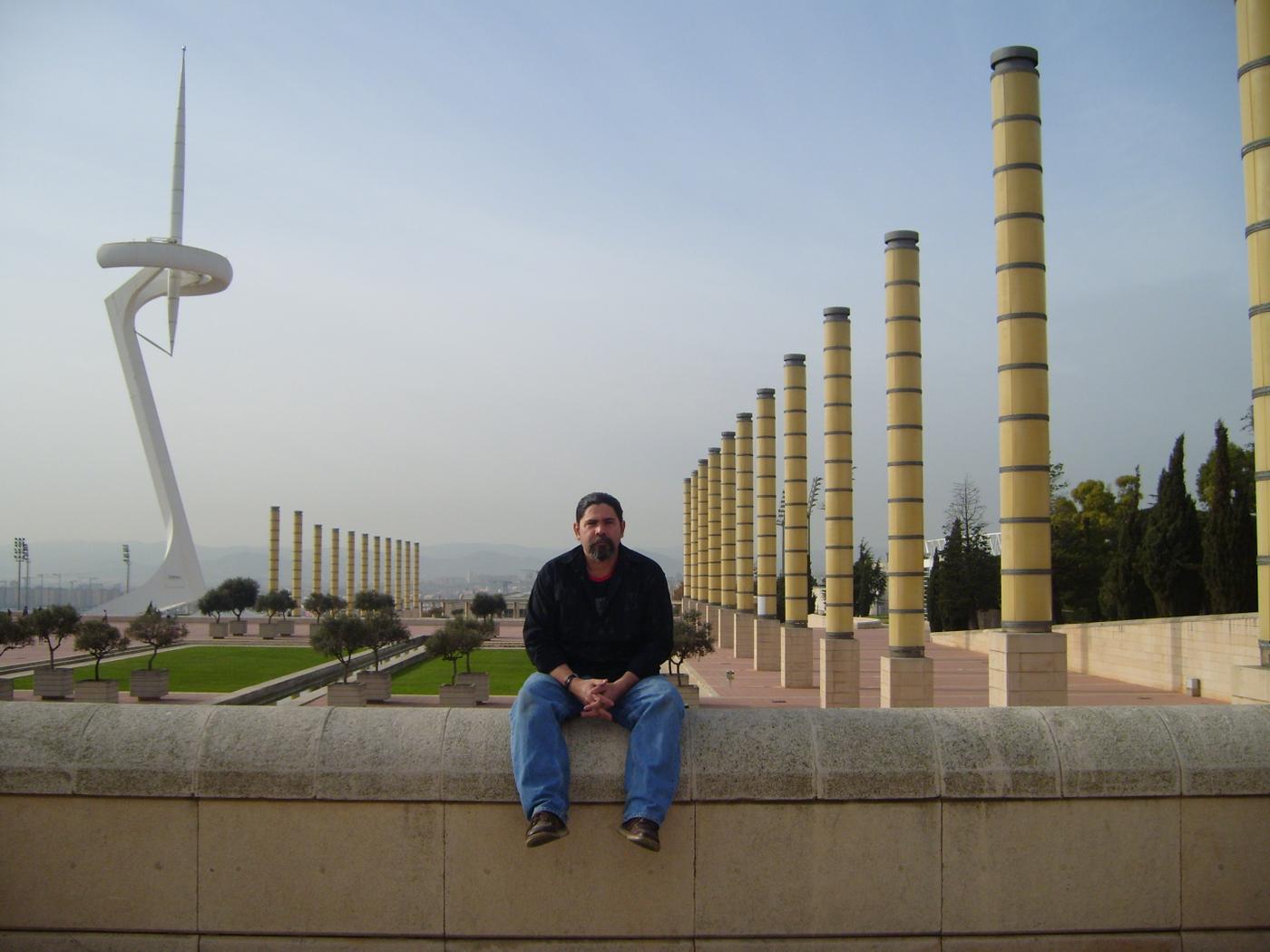
Ricardo Trelles
..

 Ricardo Trelles